
Plot Points #99 💌
Ordinary magic, Mamaws, and In Memoriam

Plot Points is a weekly newsletter where I share my favorite books, links, words, and more. If you enjoy what you find here, please consider subscribing or leaving a tip. Thank you!
Hi friends. Welcome.
I didn’t send out an email last week because on Monday, February 16th, we woke up to the news that Pierce’s sweet dad and my beloved father-in-law, Ray, had gone home to be with the Lord sometime in the early morning hours. As you can imagine, it has been a tough week.

This will likely sound strange, but having Lent begin just two days after my father-in-law passed feels like a gift. It’s full permission to grieve, to lament, and to remember that death is an integral, though not final, part of life.
Receiving the ashes last Wednesday was an invitation to look this pain in the face and understand it for what it is: one single part of a much bigger story.
It is a grace from the Father and His Church that we have reason to live here—to cry, and remember, and grieve—without needing to rush through it.
What a joy to know that Easter is coming.
Please keep our family—particularly my husband, his siblings, and my mother-in-law—in your prayers.
Thanks for being here,
Wendi
Word of the Week ✍🏻
Nepenthe: (n.) Something that can make you forget your sorrows or suffering.
Point #1: “Mamaws aren’t accidental. They’re cultivated.”
What kind of grandmothers do we want to become? At 40, with an almost-teenager, it’s a question I’m just beginning to consider. One day, in the perhaps not-too-distant future, we might have grandchildren, and I want them to think of me as a soft place to land. A woman who is, in all things, home. How do we get there when the world tells us to stay young forever or else be forgotten? This beautiful essay from Heather @ To Sow a Seed sheds some light on the path.

Point #2: “Hit is eall soð, and ƿyrse þonne þu ƿenst.”
Tsh Oxenreider shared this fascinating piece from Colin Gorrie in her newsletter last week, and I just had to steal it! Can you understand English from 1400? 1100? We native speakers often consider early modern English (i.e., Shakespearean) to be Old English, but that couldn’t be further from the truth. Gather ‘round for a little history lesson, friends!

Point #3: It’s in the details.
The world is getting faster, and we are perpetually distracted and disconnected. How can we regain our ability to live an embodied life, full of sensation and experience? In her piece, amandine bula invites us to romanticize the ordinary, everyday moments.

Reading in The Nook 📚
Still working on Wuthering Heights…
The characters are just so insanely unlikable that I want it to be over. Emily, dear, was this your intent? Mariella Hunt hit the nail on the head when she wrote last week, “I just finished Wuthering Heights, and I feel like I’ve finally escaped a cramped house where every single person was yelling at each other.” I’m not even done yet, and I concur!
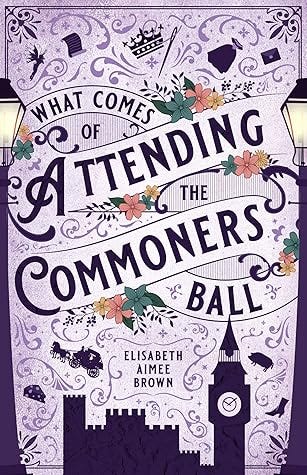
I also finished a cozy romance this week called What Comes of Attending the Commoners Ball by Elisabeth Aimee Brown. I was in a bit of a sad post-book slump after I finished the Emma M. Lion series when I stumbled across a list of books to read if one loves Emma. (Which, obviously, one does.) What Comes of Attending the Commoners Ball was at the top of the list, and I’m delighted to say it hit all the right notes! It was funny, quirky, and smart, with just a smidge of fantasy mixed in…the perfect read for a winter pick-me-up. I’m looking forward to reading Brown’s newest book when it releases in April!
What are you reading right now? 👇🏻
“Maybe death
isn’t darkness, after all,
but so much light
wrapping itself around us—
as soft as feathers—”
—Mary Oliver—
I’m sorry for your loss. May God grant comfort to you and eternal rest to your father-in-law. I lost my grandmother at the end of January, and a dear friend just reached out to me with that same wisdom you shared-Lent is a good time to grieve, a chance to lean into grief and not try to hide it, and by doing so draw closer to the Lord. May it be so! And with Wuthering Heights, I think you definitely have to get through that first “everyone sucks and this is so depressing” read before you can go into it and get a deeper appreciation. I definitely found myself on this third attempt (second full read) much more caught up in the text and able to see beyond how much I just despised so many of the characters. Still needed to detox with a happier book after, but I got a lot more out of it. Also just reminding myself that it is a genre text, a purposefully over the top genre text, helped me to enjoy the reading experience more. To some extent I think I took it all too seriously the first time around, and this time I could sort of enjoy (not quite the right word here) how absurd everyone and everything in it is
I'm so sorry for your loss, Wendi. You can just see that he was a gentle and kind man in that beautiful picture! May he rest in peace!